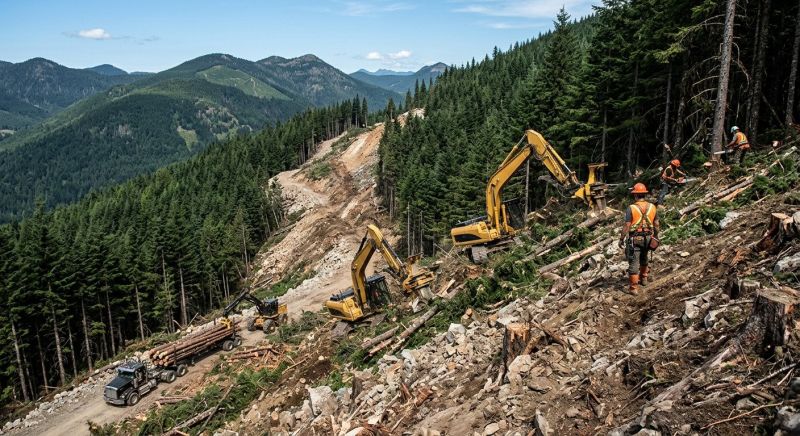
Slope Clearing in Salt Lake City, UT
Slope clearing services involve removing excess vegetation, debris, and obstructions from hillside or sloped areas to improve safety, accessibility, and landscape appearance. This service is often used for projects such as preparing land for construction, creating safe pathways, preventing erosion, or enhancing drainage on properties with uneven terrain. Homeowners typically request slope clearing when dealing with overgrown or unstable slopes that pose risks of landslides or water runoff issues, or when preparing land for landscaping or development projects.
Before requesting slope clearing, property owners should consider the extent of the area to be cleared, the type of vegetation or debris involved, and any potential permits or regulations that may apply. It’s also helpful to understand the slope’s steepness and stability, as these factors influence the scope of work and safety precautions needed. Clear communication about project goals and concerns can assist in planning an effective and safe clearing process.
Many property owners in Salt Lake City, UT look into Slope Clearing for repairs, replacements, upgrades, and appearance-related improvements.
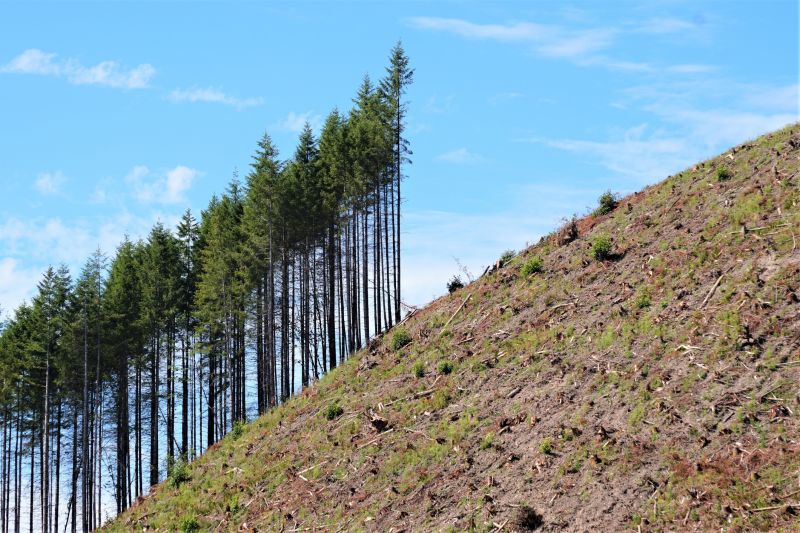
Slope Maintenance
Keeping slopes stable and safe for property use and landscaping.
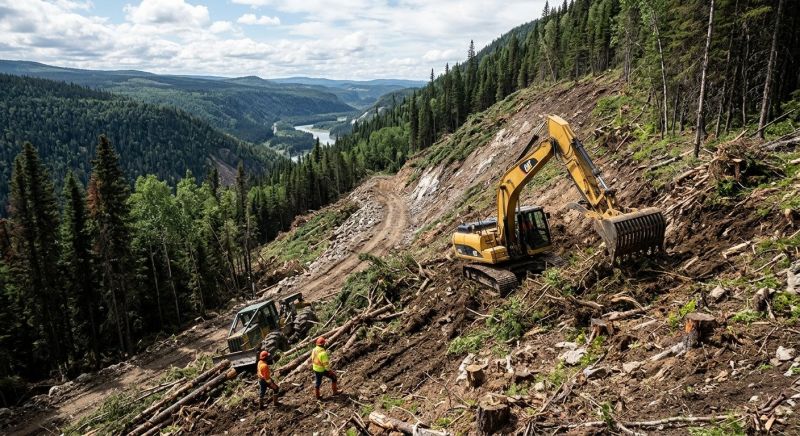
Erosion Control
Preventing soil loss and damage caused by runoff on hilly terrains.
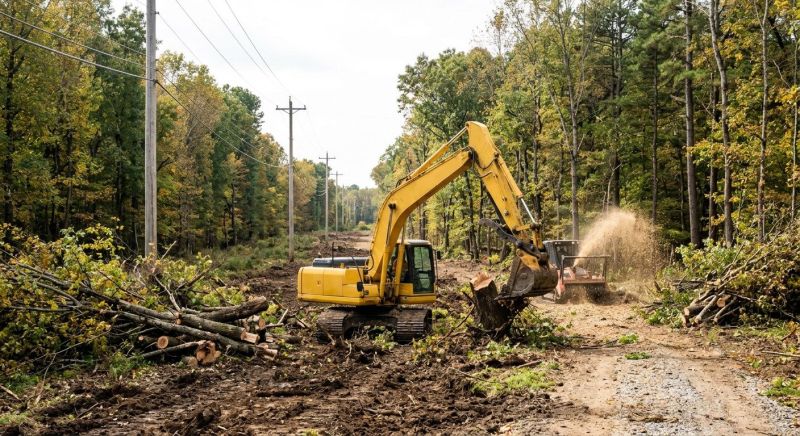
Land Clearing
Preparing uneven or overgrown land for development or aesthetic improvements in salt lake city, ut.
Slope Clearing in Salt Lake City, UT
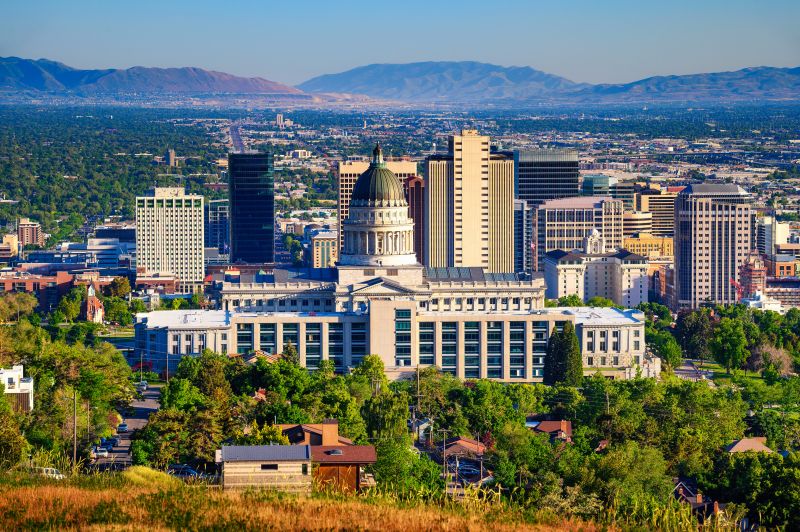
Slope clearing services involve removing excess vegetation, debris, and obstructions from hillside or sloped areas to improve safety, accessibility, and landscape appearance. This service is often used for projects such as preparing land for construction, creating safe pathways, preventing erosion, or enhancing drainage on properties with uneven terrain. Homeowners typically request slope clearing when dealing with overgrown or unstable slopes that pose risks of landslides or water runoff issues, or when preparing land for landscaping or development projects.
Before requesting slope clearing, property owners should consider the extent of the area to be cleared, the type of vegetation or debris involved, and any potential permits or regulations that may apply. It’s also helpful to understand the slope’s steepness and stability, as these factors influence the scope of work and safety precautions needed. Clear communication about project goals and concerns can assist in planning an effective and safe clearing process.
Many property owners in Salt Lake City, UT look into Slope Clearing for repairs, replacements, upgrades, and appearance-related improvements.
Common Slope Clearing Jobs
Slope clearing services - removal of excess vegetation and debris from sloped areas to improve safety and accessibility.
Erosion control - stabilizing slopes to prevent soil loss and protect property foundations.
Land grading - shaping the land to promote proper drainage and reduce water runoff issues.
Debris removal - clearing fallen trees, rocks, and other obstructions from hillside areas.
Terracing and contouring - creating level areas on slopes for planting or construction projects.
Site preparation - clearing and leveling land before landscaping or building development.
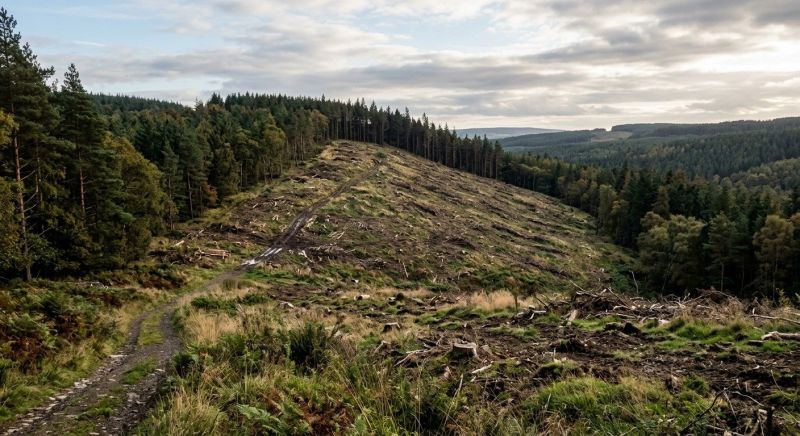
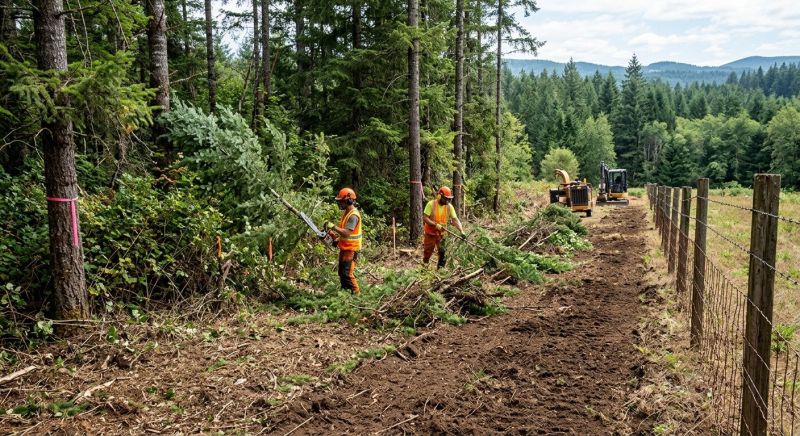
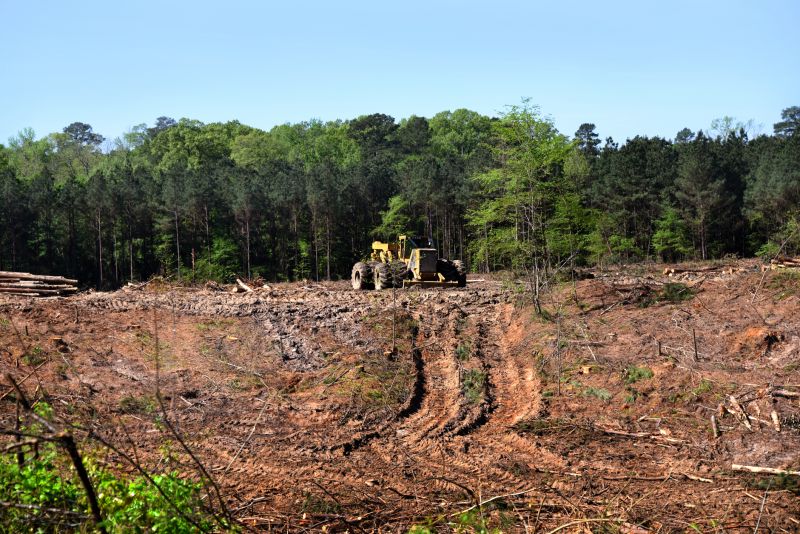
Slope Clearing Questions
What is slope clearing? Slope clearing involves removing trees, brush, and debris from hillside areas to improve stability and access for property development or maintenance.
When is slope clearing needed? It is typically required before landscaping, construction, or when addressing erosion issues on sloped land.
What methods are used in slope clearing? Techniques include mechanical removal, brush cutting, and debris hauling to safely clear and prepare the slope.
Are there any land restrictions for slope clearing? Local regulations may restrict clearing near protected areas or require permits; it’s advisable to check with local authorities before starting.
Request Slope Clearing in Salt Lake City, UT
Use the quote form on this page to share the basics of your project and request more information for the type of work you need.